PYQs
Five years of PYQ practice and discussion
You practise five years of IES PYQs with model answers for each one, and live PYQ discussions by Dr. Komal.
Indian Economic Service · Answer writing program
A ten-month IES answer writing program for students who have covered the syllabus once and now need serious writing practice. You practise 5 years of IES PYQs with model answers, cover Economics, Quantitative Methods, General Studies and English, write new Day 7 questions based on PYQ patterns, and get evaluation and feedback from Dr. Komal.
What is included
Dr. Komal revises each topic with you before you write. You then practise PYQs, write topic tests and receive evaluated scripts, feedback and model answers.
PYQs
You practise five years of IES PYQs with model answers for each one, and live PYQ discussions by Dr. Komal.
Coverage
Economics, Quantitative Methods, General Studies and General English are included throughout the calendar.
Day 7
Topic tests with new questions based on IES PYQ patterns, so that you learn to handle unfamiliar questions.
Revision
Each topic begins with a Dr. Komal-led revision lecture before you move into practice.
Feedback
Dr. Komal evaluates submitted scripts and points out what to fix next.
Recordings
Use the session recordings to catch up or revise through the IES 2027 attempt.
The 9-day writing cycle
Every topic across the four GE papers follows this plan. You revise first, write with and without notes, take a topic test, and then receive evaluation and model answers. The brochure has the full day-by-day calendar.
Day 1
Dr. Komal introduces and revises the topic, then explains the PYQ patterns you will practise in this cycle.
Day 2
Review your notes for the points a strong answer should include, then test your recall without notes.
Day 3–4
Write PYQs and PYQ-pattern questions with your books and notes available, without a time limit.
Day 5
Write without notes under exam time limits and submit by the end of the day.
Day 6
Live walkthrough of the topic's PYQs — what a strong answer looks like.
Day 7
4–5 closed-book, timed questions on the topic, including new questions built from PYQ patterns.
Day 8
Dr. Komal evaluates submissions. You have no new writing task that day.
Day 9
Evaluated scripts, feedback and model answers shared for the cycle's PYQs and PYQ-informed practice questions.
Coverage
The four General Economics papers follow the exam syllabus. Quantitative Methods, General Studies and General English are taught alongside them, so none is left for the final weeks.
Parallel tracks
Alongside GE Paper I
Alongside GE Paper II
Alongside GE Papers III & IV
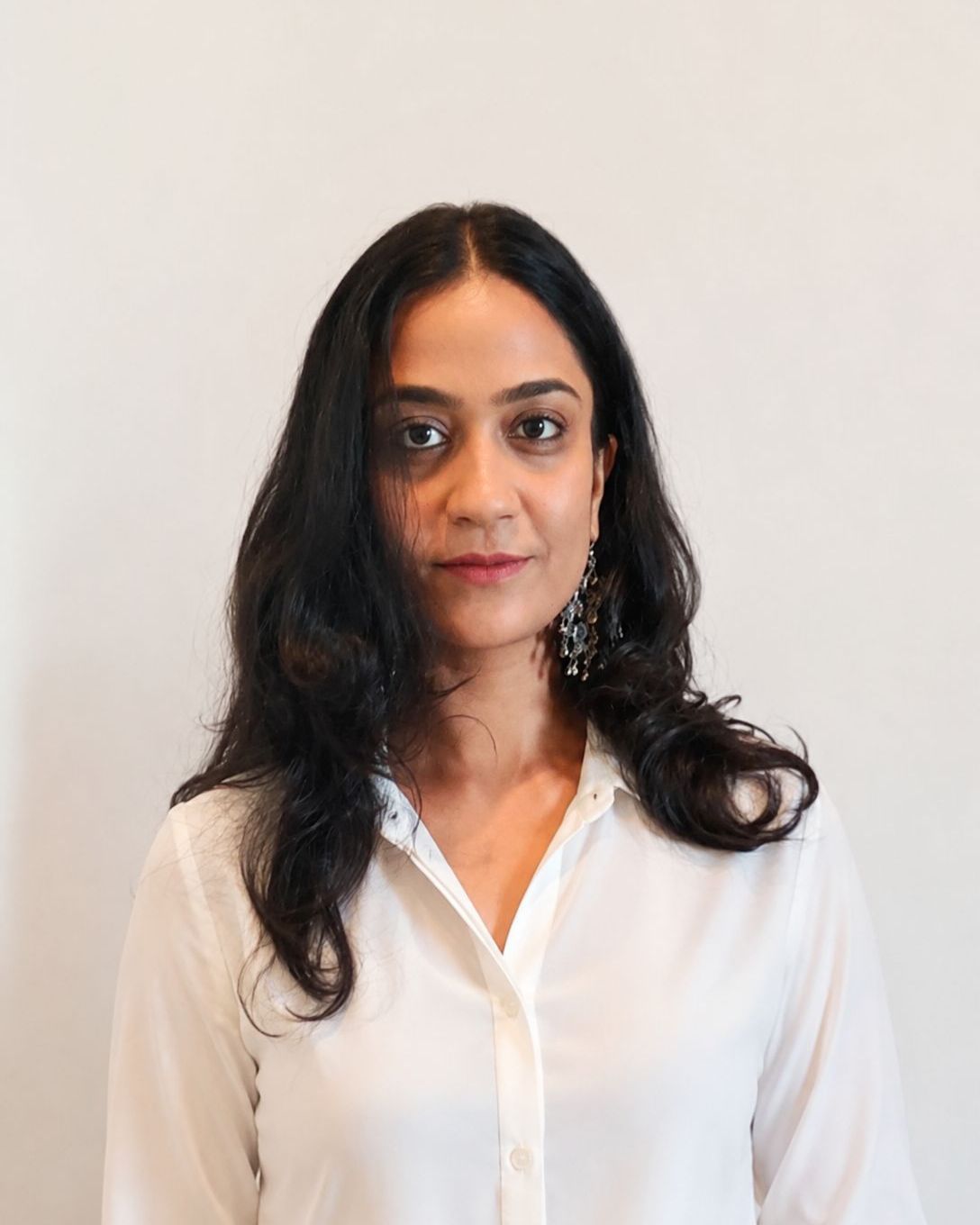
Meet your mentor
Dr. Komal holds a PhD in Economics from the Indian Statistical Institute, Delhi, a Master's from the Delhi School of Economics, and a Bachelor's from Miranda House. She has taught Economics for UPSC CSE Economics Optional, IES and RBI Grade B DEPR across multiple batches, with a focus on conceptual depth rather than exam shortcuts.
Program role
From IES aspirants
Students discuss answer writing, regular tests, PYQ practice and Dr. Komal's guidance.
Jab maine classes join kiya tha, tab mujhe answers dene, answer writing karne aur apni baat rakhne mein kaafi hesitation hota tha — galat hone ka dar rehta tha. Lekin Komal Ma'am hamesha encourage karti thi ki apne imperfect answers se darna nahi chahiye. Unki guidance se dheere-dheere mera confidence badha. Mujhe yahan sirf Economics hi nahi, balki khud par bharosa karna bhi seekhne ko mila. Ek baat jo mujhe personally acchi lagi — classes Hindi aur English dono ka balanced mix hoti hain. Main Jharkhand se hoon, isliye shuruaat mein language barrier ka socha tha, lekin concepts kaafi clearly samjhaye jaate hain, isliye Hindi-speaking background ke students bhi comfortably follow kar sakte hain.Read full story
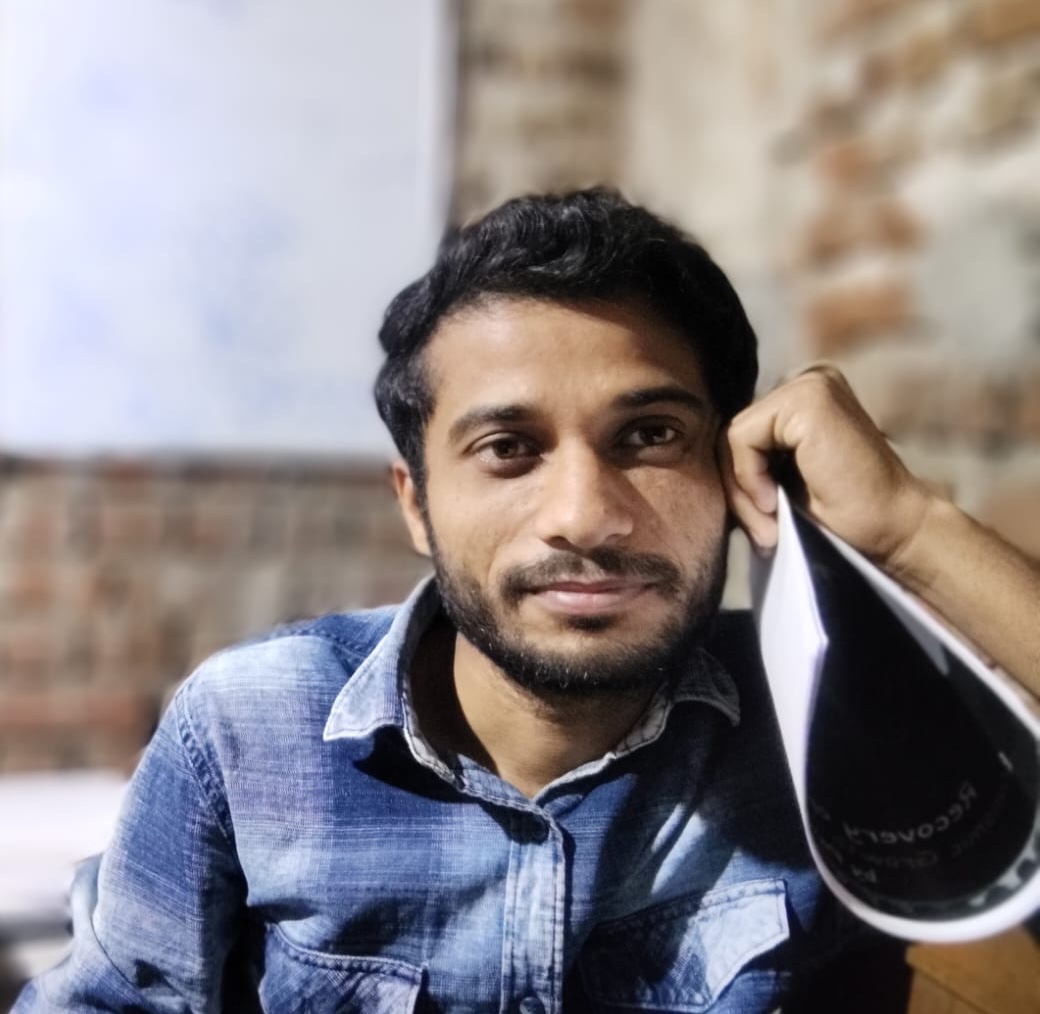
IES aspirant
For me, Komal Ma'am is like Jeetu Bhaiya from Kota Factory — calm, clear, practical, and genuinely invested in students' progress. Unka concept clarity dene ka tareeka aur jo constant support woh provide karti hain, usse confidence automatically build hota hai. EcoNiti ki jo cheez mujhe sabse zyada pasand aayi woh hai unka content aur approach — they cover all the relevant standard books and provide highlighted references, matlab ek tarah se 'one packet, multiple benefits.' Regular tests conduct hote hain, aur har test ke baad proper feedback milta hai. Doubt-solving bhi bahut supportive hai — basic se lekar advanced level tak, bina judge kiye, chahe kitni baar poochho. Mere liye EcoNiti sirf ek coaching nahi, balki ek properly guided journey hai for an economics student.Read full story
IES aspirant
I joined the IES course (CSE included) at EcoNiti. The portal is amazing and easy to use, and the course content was completely in line with the syllabus and quite comprehensive. All the highlighted material and customised registers for each subject — with their PYQs at the end for practice — are quite helpful. And the best aspect is our teachers cum mentors, who not only supported us academically by delivering such wonderful lectures but also emotionally, in person, whenever we faced any issues. From constant doubt-clearing sessions to motivating us to give our best, they are always present for us.Read full story
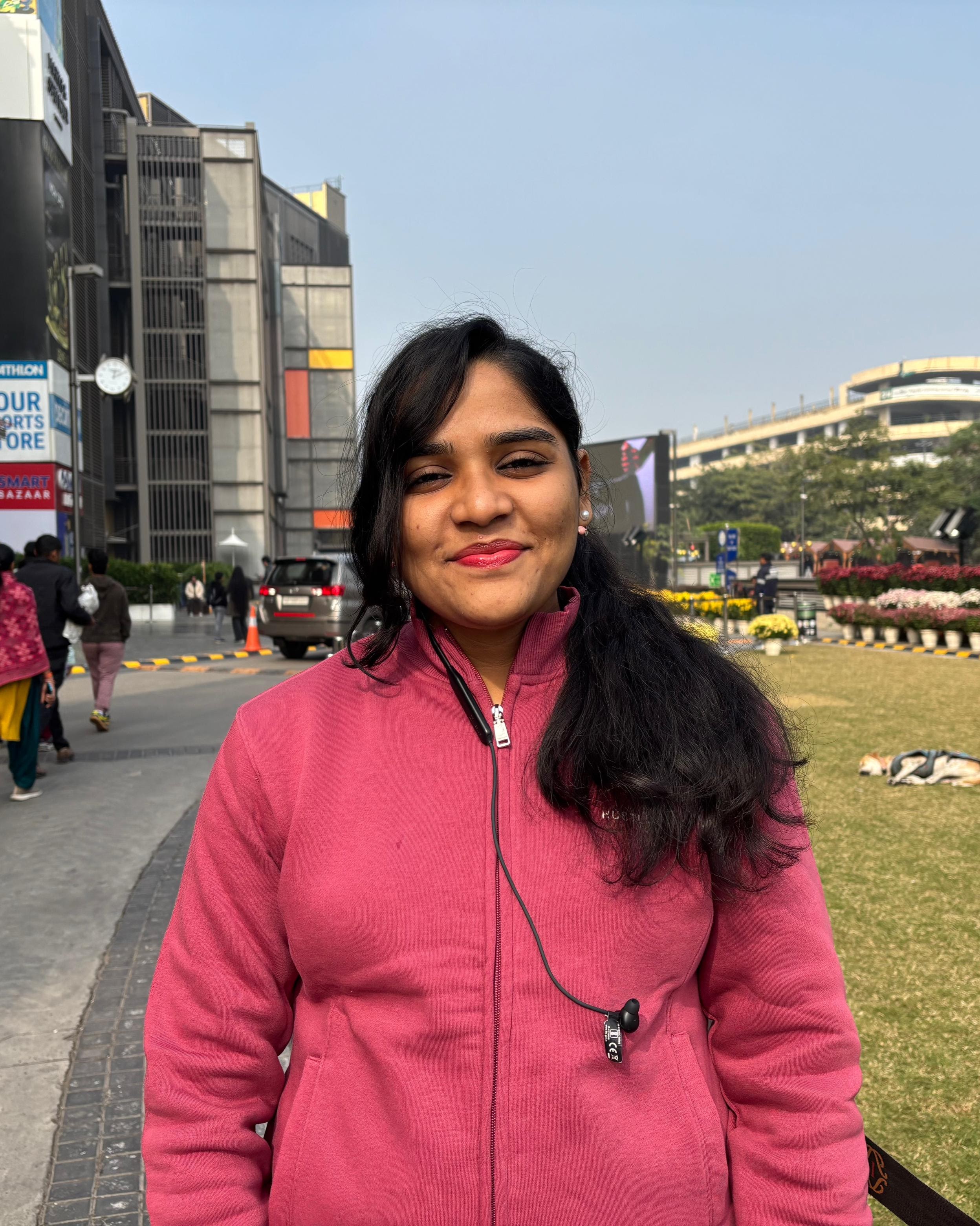
IES and UPSC aspirant
My experience with EcoNiti was great. Time and again the guidance from Komal ma'am helped me boost my preparation. The conceptual clarity I gained from her teaching helped me develop a command on the subject, which gave me a lot of confidence and helped me qualify for UGC-NET JRF (Economics) in my first attempt — despite coming from a non-pure Economics UG degree. Over time I developed the confidence that be it an academic doubt or a life challenge, ma'am would help and support me till I reached my goal.Read full story
IES aspirant
Shared with each student's permission. Scores and admissions are as reported by students.
Program fee
Both payment options cover every live session, evaluation, mock and topic model answer. Pay in full for the lower total fee, or pay ₹4,000 each month. Prices are inclusive of GST.
Pay in full
Save ₹5,000One payment, inclusive of GST, for the complete 10-month program (August to May).
Enrol nowPay monthly
Flexible₹40,000 total across 10 months (August to May), inclusive of GST, paid as ₹4,000 per month.
Enrol monthly* Monthly-plan students may switch to the full-payment rate only within the first three paid months. Amounts already paid are credited against the full-payment fee; after that, the monthly plan continues as scheduled. Switching plans does not create refunds.
Optional add-on
EcoNiti also offers one-to-one mentorship with Dr. Komal for syllabus planning, targeted feedback and questions that need more time than the group sessions allow. Each mentorship session runs for one hour.
Because the Answer Writing Program already gives you near-weekly contact with Dr. Komal, students on this program can add mentorship sessions at a lower per-session rate than the standalone program.
Explore mentorshipBrochure
Structure, calendar, mentor, pricing, and the full 9-day cycle — download and read at your pace.
Get in touch
Tell us where you are in your preparation and what you'd like to know. We'll respond over email or WhatsApp, whichever you prefer.
FAQs
The program runs for ten months through May 2027 with two full mocks and revision. The target attempt is the mid-June 2027 IES exam.
Ideally, yes. We assume that you have covered the full syllabus once but need more answer-writing practice and guided revision.
Yes. Both run as dedicated parallel tracks alongside the GE papers — not squeezed into the final weeks. History, Geography, Economy and Polity for GS; essay, precis and ongoing vocabulary for English.
Yes. You practise IES PYQs across the last 5 years, and model answers are provided for all of those previous-year questions.
Day 7 is an evaluated topic test with new questions built from IES PYQ patterns. The goal is to test whether you can handle unfamiliar questions, not only repeat a prepared PYQ answer.
Dr. Komal evaluates the submitted scripts and gives feedback on what to improve next.
The program is the same either way. Paying in full at enrolment saves ₹5,000 across the ten months. The monthly plan is ₹4,000 per month for flexibility. Students who begin monthly may switch to the full-payment rate only within the first three paid months; amounts already paid are credited against the full-payment fee. After three paid months, the monthly plan continues on its original schedule. Switching plans does not create refunds.
Yes. Because this program already gives you near-weekly contact with Dr. Komal, mentorship sessions are available at a lower per-session rate than the standalone program. Three add-on blocks are available.
The programme officially started on 1 August 2026. The first nine-day topic cycle began on 3 August 2026, and the target attempt is IES 2027.
Yes. You receive the earlier session recordings and a catch-up plan for the current writing cycle.
Recordings of the live sessions remain available until the target IES 2027 exam.